
A Guide to Understanding Tax Refunds
A Guide to Understanding Tax Refunds
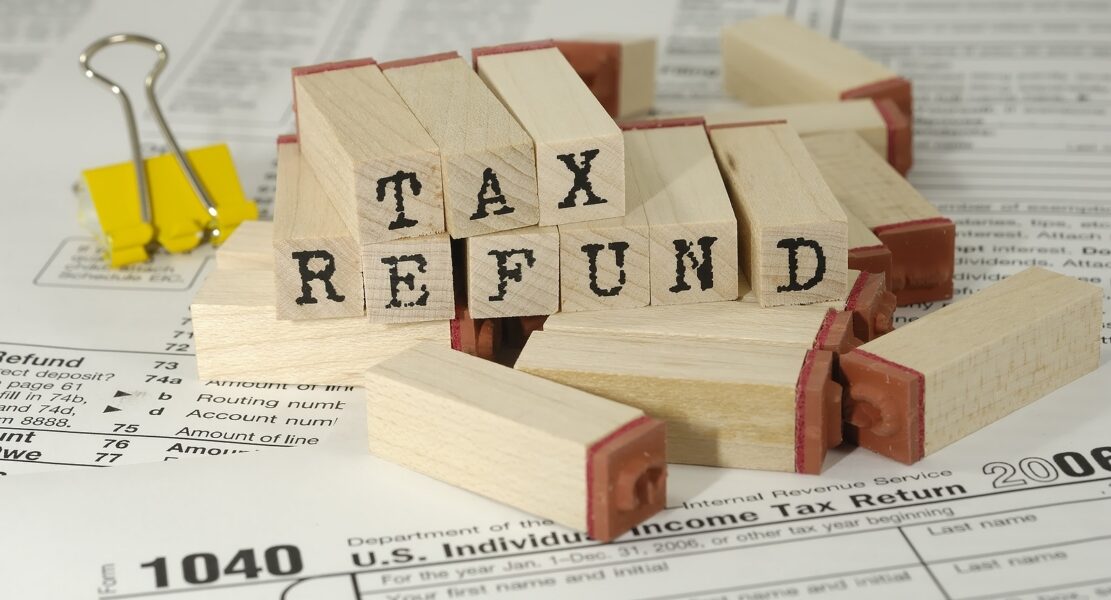
A tax refund is a repayment to taxpayers for any excess tax paid. It is a form of refund issued by national, state, or local tax authorities to taxpayers who have overpaid their taxes. The phenomenon of overpayment may occur due to several reasons:
- Withholding too much money from a paycheck
- Tax credits directly reduce the tax liability
What determines one receiving a tax refund?
When one receives a tax refund, it means they’ve paid more in taxes than was required. It’s a return on a zero-interest loan that extends to the government. On the other hand, if one does not receive a refund, it can indicate one of two situations:
- The exact tax amount was paid
- Taxes were underpaid and are now due
Free Money?
While getting a tax refund may feel like a bonus, it’s important to remember that it is not free money; it’s a repayment of overpaid taxes one paid throughout the year.
Factors impacting tax refund status
Several factors can influence one’s tax refund status:
- Tax withheld from income – The amount of tax that an employer withholds from one’s income can affect whether they will receive a tax refund. If too much is withheld, a refund may apply.
- Claimed tax credits and deductions – The number of tax credits and deductions one claims on their tax return will also impact a tax refund. The more credits and deductions one qualifies for, the less tax owed – and the greater the potential to receive a refund.
- Filing Status – Tax filing status (whether single, married filing jointly, head of household, etc.) can affect the size of a refund, as different statuses are associated with different tax brackets and standard deductions.
- Tax law changes – Changes in tax laws can affect refund eligibility and the amount of the refund. For instance, new tax credits or modifications to existing ones can increase one’s chances of receiving a refund.
- Income changes – Sudden increases or decreases in income can impact one’s tax situation, potentially resulting in a refund.
How should I receive my refund?
While receiving a tax refund may provide a lump sum of capital, it’s important to work toward accurate tax withholding to optimize cash flow and financial planning. Keep in mind the various factors affecting your tax refund status and consider seeking guidance from a financial or tax professional for your specific situation.
Disclosure
SWG 5241298-0226b The source(s) used to prepare this material is/are believed to be true, accurate and reliable, but is/are not guaranteed. This information is provided as general information and is not intended to be specific financial guidance. This newsletter is designed to provide general information on the subjects covered. Pursuant to IRS Circular 230, it is not intended to provide specific legal or tax advice and cannot be used to avoid penalties or to promote, market, or recommend any tax plan or arrangement. You are encouraged to consult your personal tax advisor or attorney.